
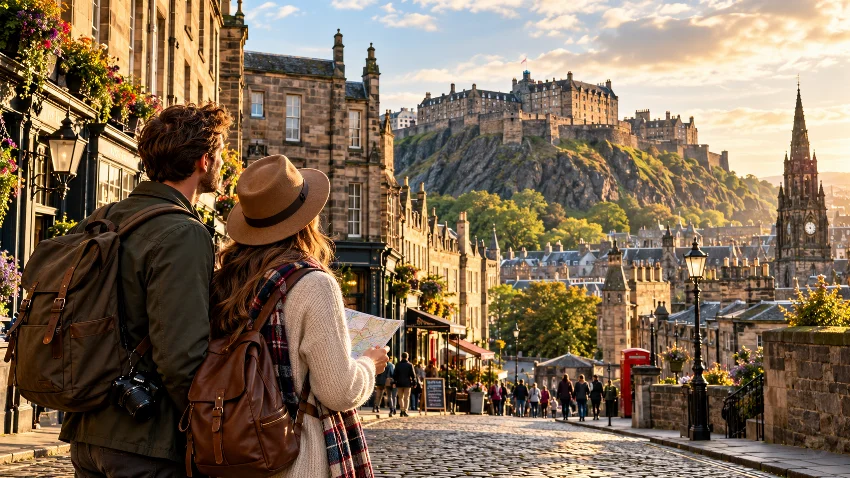
Imagine wandering through ancient castles, driving beside mist-covered mountains, and discovering peaceful villages where traditional Scottish culture remains part of everyday life. Scotland offers an incredible combination of dramatic landscapes, fascinating history, and welcoming communities.
Whether you’re dreaming of exploring Edinburgh’s medieval streets, hiking across the Highlands, or relaxing beside a quiet loch, Visiting Scotland promises experiences that go far beyond ordinary sightseeing. Every region has its own personality, from vibrant cities to remote islands surrounded by spectacular coastlines.
This guide explores Scotland’s remarkable destinations, authentic cultural experiences, and practical travel strategies for planning an unforgettable adventure.
1. Discovering Scotland’s Most Remarkable Travel Destinations
Scotland may look relatively small on a map, but its geographical diversity is extraordinary. Historic cities, mountainous landscapes, peaceful coastal communities, and remote islands create countless opportunities for exploration.
Understanding the character of different regions makes planning a Scottish holiday considerably easier.
Edinburgh: History, Architecture and Cultural Experiences
Edinburgh is one of Europe’s most distinctive historic capitals, combining medieval architecture with elegant Georgian streets.
Its Old Town features narrow closes, cobbled lanes, historic buildings, and the famous Royal Mile, which connects Edinburgh Castle with the Palace of Holyroodhouse.
Edinburgh Castle stands dramatically above the city on Castle Rock. Visitors can explore historic royal spaces, military exhibits, and panoramic viewpoints overlooking the capital.
According to Historic Environment Scotland, advance online booking is recommended because castle tickets can sell out during busy periods.
Beyond the castle, Arthur’s Seat offers a rewarding outdoor adventure.
This ancient volcanic landscape provides impressive views across Edinburgh and the surrounding coastline.
For a quieter experience, explore Dean Village or stroll along the Water of Leith.
These neighbourhoods reveal a more peaceful side of the city, away from the busiest tourist streets.
Glasgow: Scotland’s Creative and Cultural Capital
Glasgow offers a different experience from Edinburgh.
While the capital celebrates historic architecture and traditional landmarks, Glasgow stands out for its creative energy, contemporary culture, and thriving music scene.
The city is recognised as a UNESCO City of Music, reflecting its strong connections with live performance and musical heritage.
Visitors can explore Kelvingrove Art Gallery and Museum, admire impressive Victorian architecture, and discover independent cafés around the West End.
Glasgow also provides excellent opportunities to experience Scottish hospitality through local restaurants, neighbourhood markets, and traditional pubs.
The city’s cultural attractions make it particularly appealing for travellers who enjoy urban exploration.
Inverness and the Scottish Highlands
Inverness serves as a convenient gateway to the northern Highlands.
The surrounding region features dramatic glens, historic battlefields, remote villages, and beautiful freshwater lochs.
Nearby Loch Ness is internationally famous for its legendary monster, but the surrounding scenery deserves equal attention.
Visitors can enjoy lochside walks, explore historic attractions such as Urquhart Castle, or take sightseeing cruises.
The Highlands are especially attractive to travellers seeking peaceful landscapes and opportunities for outdoor photography.
However, distances can be deceiving.
Mountain roads and rural routes often require more travel time than visitors initially expect.
2. Exploring the Scottish Highlands and Spectacular Natural Landscapes
The Highlands represent some of Scotland’s most recognisable scenery.
Towering mountains, deep valleys, waterfalls, and expansive wilderness areas create landscapes that feel wonderfully dramatic.
Travelling through this region is often as memorable as reaching individual attractions.
Glencoe: Mountains, Valleys and Highland Heritage
Glencoe is widely admired for its steep mountains and remarkable geological formations.
The glen provides excellent opportunities for landscape photography, scenic driving, and walking.
Visitors can admire dramatic peaks from roadside viewpoints or explore established trails suited to different experience levels.
However, mountain conditions can change quickly.
Anyone planning challenging routes should check current weather forecasts, carry suitable equipment, and understand the demands of their chosen walk.
Glencoe also carries important historical significance through its association with the 1692 Massacre of Glencoe.
Learning about this history adds depth to the surrounding landscape.
Fort William and Ben Nevis
Fort William is a popular base for exploring Scotland’s western Highlands.
The town sits near Ben Nevis, the highest mountain in the United Kingdom, which rises to approximately 1,345 metres.
For experienced walkers, climbing Ben Nevis can become a memorable achievement.
However, the summit route requires appropriate preparation, navigation skills, and a realistic assessment of mountain conditions.
Visitors seeking less demanding activities can explore nearby forests, scenic viewpoints, or the surrounding lochs.
The region also provides access to the famous Glenfinnan Viaduct, known for its elegant railway arches and appearances in the Harry Potter films.
The historic railway scenery attracts photographers and railway enthusiasts throughout the year.
Loch Lomond and the Trossachs National Park
Loch Lomond offers a gentler introduction to Scotland’s natural beauty.
Situated north of Glasgow, the area combines wooded hills, attractive villages, walking trails, and opportunities for water-based recreation.
Loch Lomond and the Trossachs became Scotland’s first national park in 2002.
The park covers approximately 1,865 square kilometres and includes numerous lochs, mountains, and woodland environments.
Visitors can explore villages such as Luss and Balmaha or enjoy boat excursions across the water.
The area works particularly well for travellers who want a countryside escape without travelling deep into the northern Highlands.
3. Visiting Scotland’s Beautiful Islands and Coastal Communities
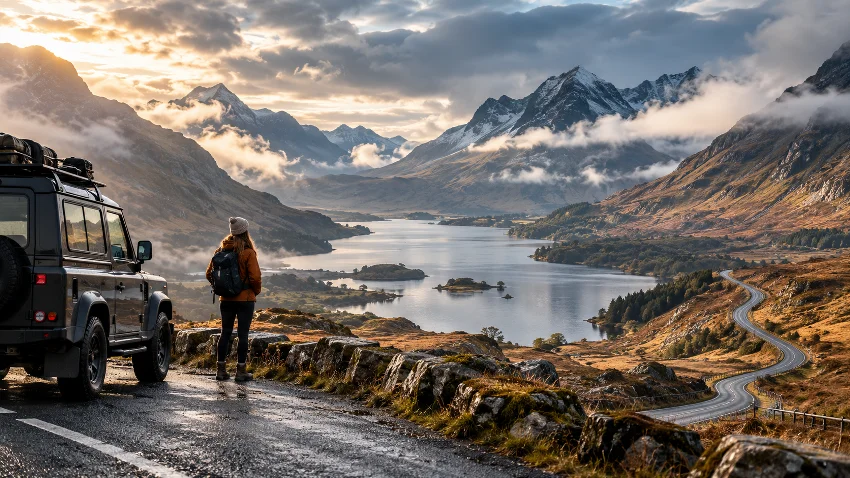
Scotland’s islands offer distinctive landscapes and cultural traditions that differ from those found on the mainland.
Some islands are celebrated for dramatic mountains, while others attract visitors through archaeology, wildlife, peaceful beaches, and traditional communities.
Island travel requires additional planning, especially when ferry services are involved.
Isle of Skye: Dramatic Scenery and Outdoor Adventures
The Isle of Skye is among Scotland’s most celebrated destinations for nature enthusiasts.
Its dramatic coastline, mountain formations, and distinctive geological landscapes attract visitors from around the world.
The Quiraing, situated on the Trotternish Peninsula, features extraordinary rock formations and sweeping Highland views.
The Old Man of Storr is another popular landmark, known for its striking rock pinnacle.
Visitors can also explore Kilt Rock, the Fairy Pools near Glenbrittle, and the island’s picturesque coastal communities.
Portree, Skye’s principal town, provides accommodation, restaurants, and a convenient base for exploring different parts of the island.
Although Skye is connected to the mainland by a road bridge, accommodation and popular attractions can become busy during peak travel periods.
Booking ahead is particulary useful during summer.
Orkney: Ancient History and Island Heritage
Orkney offers a fascinating combination of archaeological landmarks and coastal scenery.
The islands contain remarkable Neolithic sites, including Skara Brae and the Ring of Brodgar.
These historic locations reveal aspects of life in prehistoric Scotland.
Visitors can also explore dramatic cliffs, traditional villages, and wildlife-rich coastal habitats.
Orkney provides an especially rewarding experience for travellers interested in archaeology and cultural heritage.
Because the islands are separated from mainland Scotland by sea, ferry schedules and weather conditions should be considered when planning an itinerary.
Outer Hebrides: Remote Beaches and Gaelic Culture
The Outer Hebrides offer a different kind of island adventure.
These islands are known for white sandy beaches, turquoise coastal waters, traditional Gaelic culture, and rugged Atlantic landscapes.
Lewis and Harris provide opportunities to explore historic communities, coastal trails, and traditional textile heritage.
Luskentyre Beach on Harris is particularly admired for its beautiful sands and expansive shoreline.
Unlike heavily developed resort destinations, many Hebridean communities maintain a peaceful rural atmosphere.
Visitors should respect local traditions, private property, and the environmental sensitivity of coastal areas.
4. Experiencing Scottish History, Castles and Cultural Heritage
Scotland’s history is visible throughout its cities, villages, and countryside.
From medieval strongholds to ancient monuments, historic attractions offer insight into the country’s changing political, social, and cultural identity.
Exploring these places adds another dimension to a Scottish holiday.
Discovering Scotland’s Historic Castles
Castles are among Scotland’s most recognisable attractions.
Edinburgh Castle provides a dramatic introduction to royal and military history.
Stirling Castle, located above the historic city of Stirling, played an important role in Scotland’s royal past.
Further north, Eilean Donan Castle stands near the meeting point of three sea lochs.
Its distinctive island setting makes it a favourite subject for travel photography.
Each castle offers a different experience, from restored royal interiors to atmospheric ruins.
Visitors should check official opening hours, ticket arrangements, and accessibility before travelling.
Understanding Highland Traditions
Scottish Highland culture includes music, storytelling, traditional dress, and community celebrations.
The Highland Games are particularly well known for combining athletic competitions with piping, dancing, and local festivities.
Events vary between communities, creating opportunities to experience regional traditions.
Traditional music sessions also remain important in many Scottish towns and villages.
Listening to fiddle music or bagpipes in an intimate local setting can provide a memorable cultural experience.
For travellers interested in genealogy, museums and heritage centres may offer information about clan histories and regional traditions.
These experiences help connect famous landmarks with the people and communities who shaped them.
Exploring Scottish Festivals
Scotland hosts cultural festivals throughout the year.
The Edinburgh Festival Fringe attracts performers and visitors from around the world, transforming the capital into a major international arts destination during August.
Other festivals celebrate literature, music, film, food, and regional heritage.
Attending local events can reveal aspects of Scottish life that ordinary sightseeing sometimes misses.
However, festival periods may increase demand for accommodation and transport.
Travellers should plan reservations early when visiting during major events.
5. Enjoying Authentic Scottish Food, Drink and Local Experiences
Food offers an enjoyable way to explore Scotland’s regional identity.
Traditional dishes, fresh seafood, locally produced ingredients, and contemporary cooking contribute to a varied culinary landscape.
Visitors don’t need an expensive restaurant reservation to discover authentic flavours.
Trying Traditional Scottish Cuisine
Haggis is one of Scotland’s best-known traditional dishes.
It is commonly served with neeps and tatties, meaning mashed turnips or swede and potatoes.
Although its ingredients may sound unusual to unfamiliar visitors, haggis remains an important part of Scottish culinary culture.
Cullen skink, a creamy smoked haddock soup associated with the town of Cullen, offers another traditional experience.
Scottish salmon, locally caught seafood, oatcakes, and traditional shortbread are also widely enjoyed.
For dessert, cranachan combines ingredients such as cream, raspberries, oats, and honey.
Trying regional specialities can make an ordinary meal feel like part of the journey.
Discovering Scotland’s Whisky Heritage
Scotland is internationally recognised for its whisky production.
Different whisky-producing regions are associated with distinctive traditions and flavour characteristics.
Distillery visits often introduce guests to production methods, regional history, and the role of whisky within Scottish culture.
Speyside is especially well known for its concentration of whisky distilleries.
Other regions, including Islay and the Highlands, offer their own distinctive whisky experiences.
Visitors who prefer not to drink alcohol can still enjoy some distillery heritage tours, depending on the attraction.
Booking guided experiences ahead can be helpful during busy travel periods.
Exploring Local Markets and Independent Businesses
Food markets and independent shops provide opportunities to discover locally produced goods.
Travellers may encounter handmade crafts, regional cheeses, preserves, textiles, and traditional baked products.
Supporting independent businesses can create more personal travel experiences.
Conversations with local shopkeepers sometimes reveal lesser-known walks, cafés, and attractions worth exploring.
Rather than rushing through every famous landmark, allow time for spontaneous discoveries.
These smaller moments often become surprisingly memorable.
6. Choosing the Best Time of Year to Visit Scotland
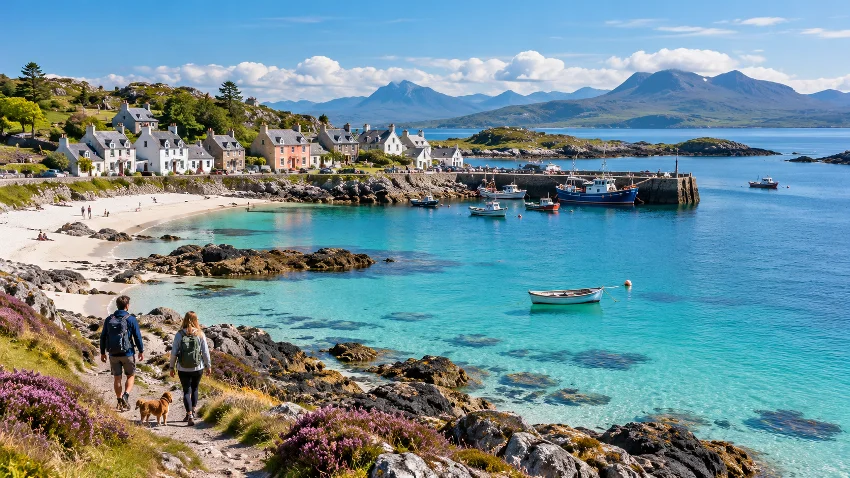
Scotland offers worthwhile experiences throughout the year, but seasonal conditions can influence travel plans significantly.
Weather, daylight hours, visitor numbers, and attraction availability should all be considered.
Choosing the right season depends on personal interests.
Spring: Comfortable Exploration and Fresh Landscapes
March through May brings gradually longer days and increasingly colourful landscapes.
Woodlands begin to bloom, rural attractions become more active, and outdoor opportunities expand.
Spring can be particularly pleasant for exploring cities and enjoying countryside walks.
However, temperatures may remain cool, and rainfall is possible.
Layered clothing and waterproof outerwear remain useful.
Late spring can offer an appealing combination of daylight, scenery, and manageable visitor activity.
Summer: Festivals and Extended Daylight
June through August generally provides Scotland’s warmest weather and longest days.
VisitScotland reports average summer maximum temperatures of around 17°C, although actual conditions vary considerably by region.
Long daylight hours create more flexibility for sightseeing, walking, and scenic road trips.
Summer is also a busy period for major attractions and popular destinations such as Skye.
Accommodation may become more expensive, and parking near well-known viewpoints can be limited.
Travellers should make important reservations early and consider exploring less crowded locations.
Autumn and Winter: Atmospheric Scottish Escapes
Autumn brings colourful woodland landscapes and a quieter atmosphere in many rural areas.
September and October can be attractive for photographers and travellers who enjoy scenic drives.
Winter creates a different experience.
Snow-covered mountains, festive events, and cosy accommodation provide opportunities for memorable seasonal trips.
However, shorter daylight hours and unpredictable weather can limit some outdoor activities.
Road closures, icy conditions, and reduced attraction schedules may require itinerary changes.
Flexibility is especially important when travelling through Highland regions during winter.
7. Planning Transport, Accommodation and Travel Budgets
Scotland provides several transportation options, including trains, coaches, ferries, domestic flights, and rental vehicles.
The most suitable choice depends on the destinations included in your itinerary.
Urban sightseeing can be relatively straightforward without a car, while remote countryside exploration often requires more detailed planning.
Travelling Around Scotland by Train
Scotland’s railway network connects major cities and numerous towns.
Routes between Edinburgh, Glasgow, Stirling, Inverness, and other destinations can provide comfortable alternatives to driving.
Scenic rail journeys are also attractions in themselves.
The West Highland Line is particularly admired for its mountain landscapes and coastal scenery.
VisitScotland recommends booking train tickets in advance when possible, as advance fares may offer savings.
However, rural destinations may require additional bus connections or local transport.
Checking the complete journey before booking accommodation helps avoid inconvenient transfers.
Exploring Scotland by Rental Car
Driving provides flexibility when visiting isolated villages, scenic viewpoints, and Highland landscapes.
However, motorists should remember that vehicles travel on the left-hand side of the road.
Some rural routes feature narrow single-track roads with designated passing places.
Drivers should understand local road etiquette and allow extra time for unexpected conditions.
Travellers should avoid treating estimated driving times as guaranteed schedules.
Mountain weather, livestock, roadworks, and sightseeing stops can extend journeys.
Choosing Suitable Accommodation
Scotland offers accommodation ranging from city hotels and traditional guesthouses to countryside cottages, caravan parks, and holiday lodges.
Travellers planning a city break may prefer central accommodation within walking distance of attractions.
Those exploring the Highlands might choose smaller villages or rural retreats.
Self-catering properties can provide flexibility for families and longer stays.
Caravan holidays are another appealing option for visitors who enjoy nature and outdoor freedom.
Before booking, compare accessibility, parking, cancellation conditions, and the distance to planned activities.
An inexpensive property may become less attractive if reaching attractions requires extensive additional travel.
8. Creating an Unforgettable Seven-Day Scotland Itinerary
A well-balanced itinerary combines major attractions with enough free time to appreciate Scotland’s scenery.
Trying to visit every famous destination within one week can create unnecessary pressure.
A more enjoyable approach focuses on a limited number of regions.
Days 1–2: Discover Edinburgh
Begin with Edinburgh’s historic Old Town.
Explore the Royal Mile, visit Edinburgh Castle, and enjoy views from the surrounding city viewpoints.
On your second day, discover the New Town, local museums, and peaceful neighbourhoods.
Consider climbing Arthur’s Seat if weather and personal fitness allow.
Spend the evening exploring local restaurants and enjoying the capital’s cultural atmosphere.
Days 3–4: Explore Loch Lomond and Glencoe
Travel west towards Loch Lomond and enjoy the scenery around the national park.
A short walk, village visit, or boat excursion offers a relaxing introduction to Scotland’s countryside.
Continue towards Glencoe for dramatic mountain scenery.
Allow time for viewpoints and established walking routes rather than treating the journey as a simple transfer.
An overnight stay in the area creates opportunities to appreciate the landscape during quieter morning or evening hours.
Days 5–6: Experience the Highlands and Isle of Skye
Travel towards Fort William and continue towards the Isle of Skye.
Along the route, consider visiting scenic locations such as Eilean Donan Castle, depending on your chosen road and schedule.
Spend the following day exploring Skye’s landscapes.
The Quiraing, Old Man of Storr, and Portree are worthwhile choices, but attempting every attraction in one day may feel rushed.
Select a manageable route and allow flexibility for weather conditions.
Day 7: Return Journey and Final Discoveries
Begin your return journey with time for scenic stops.
Depending on your departure point, consider an overnight stop or a longer journey through the Highlands.
Travellers departing from Edinburgh or Glasgow should account for the considerable distance from Skye.
An extra travel day is preferable when flight connections are tight.
If your schedule allows, extend the itinerary to nine or ten days for a more relaxed experience.
9. Essential Travel Tips for a Better Scottish Holiday
Preparation can make a significant difference to the overall travel experience.
Scotland is welcoming and accessible, but understanding local conditions helps visitors avoid unnecessary complications.
Pack for Changing Weather
Scottish weather can change quickly, particularly in mountainous and coastal regions.
Waterproof jackets, comfortable footwear, and layered clothing are useful throughout much of the year.
Even during summer, travellers should prepare for occasional rain and cooler temperatures.
Visitors planning Highland walks should carry appropriate equipment and check weather forecasts.
For more demanding mountain activities, professional guidance may be advisable.
Understand Entry Requirements and Local Customs
Scotland forms part of the United Kingdom, so UK immigration requirements apply.
Depending on nationality and travel circumstances, visitors may require a visa or an Electronic Travel Authorisation.
Check the official UK government guidance before making final travel arrangements.
The local currency is the pound sterling.
Card payments are widely accepted, although carrying a small amount of cash can occasionally be useful in rural areas.
Politeness, respect for local communities, and responsible behaviour in natural environments contribute to positive travel experiences.
Practise Responsible Tourism
Scotland’s landscapes are beautiful but environmentally sensitive.
Travellers should follow the Scottish Outdoor Access Code and respect land management, wildlife, and local communities.
Avoid littering, disturbing animals, or damaging fragile habitats.
When exploring popular locations, remain on appropriate routes and follow local guidance.
Supporting local accommodation providers, cafés, and independent businesses can also contribute to regional communities.
Responsible tourism helps protect the landscapes and cultural traditions that make Scotland special.
Visiting Scotland offers an unforgettable combination of historic cities, dramatic Highland landscapes, beautiful islands, and authentic cultural experiences. Whether you’re exploring ancient castles or discovering peaceful coastal villages, thoughtful planning makes every journey more rewarding.
Choose destinations that match your interests, allow flexibility for changing weather, and embrace opportunities beyond the busiest attractions. Start planning your Scottish adventure today and discover a country filled with remarkable places and lasting memories.
Travel Note: This guide provides general travel information. Attraction opening times, transport schedules, accommodation costs, and entry requirements may change. Always consult official sources before travelling.
Continue your research with this essential resource, selected to complement the information presented in this article. From additional explanations to related subject matter, the recommended website offers opportunities to investigate important concepts, explore different perspectives, and strengthen your overall understanding through further reading.
Get Mobile Prices ⭒ Router Linksys SmartWifi ⭒ Fikret Orman ⭒ The Northpole Bar ⭒ Single Smokers ⭒ Stromectol1h ⭒ Eclector ⭒ Keto Premiere ⭒ Atoz MP3 ⭒ Bside Rock ⭒ Investment Advice ⭒ Financial Planning ⭒ Budget Travel ⭒ Stocks & Crypto ⭒ Travel Cornwall ⭒ Home & Garden ⭒ Health & Wellness ⭒ Trading & Exchanges ⭒ Apps & OS ⭒ Mobile Gaming ⭒ Health & Well-Being ⭒ Asia Travel ⭒ Business Strategy ⭒ Health & Fitness ⭒ Photography ⭒ Music & Movie ⭒ Saving & Investing ⭒ Travel Guide ⭒ Virtual Reality & Extended Reality ⭒ Careers & Skills ⭒ Culinary Traditions & Flavors ⭒ Technology & AI ⭒ Virtual Reality & Video Games ⭒ Limpley Stoke Travel ⭒ Small Business Strategy ⭒ Photograpy & Digital Creator ⭒ Dakar Rally ⭒ Credit Card ⭒ Digital Marketing ⭒ Asia Travel ⭒ Movie & Entertainment ⭒ Business & Career ⭒ Gadget & Apps ⭒ Video Production ⭒ Insurance Guides ⭒ Financing ⭒ Annuities & Retirement ⭒ Business Strategy ⭒ Investment Strategies ⭒ Digital Marketing ⭒ Summer Style ⭒ Gadgets & Gear ⭒ Nature Travel ⭒ Retirement Income ⭒ Beauty & Style ⭒ Stock Market ⭒ Fantasy Movies ⭒ Career & Productivity ⭒ Science Education ⭒ iGaming Content ⭒ Astro Edu ⭒ Be Smart Edu ⭒ Biology ⭒ BMI Edu ⭒ Cent Edu ⭒ Chemistry Edu ⭒ Cholesterol Edu ⭒ Cooking Edu ⭒ Daily Edu ⭒ Dance Edu ⭒ Dental Edu ⭒ Diet Edu ⭒ Doctor Edu ⭒ Econom Edu ⭒ Engine Edu ⭒ Fashion Edu ⭒ Films.edu.pl ⭒ ForexForum Edu ⭒ Games Edu ⭒ Halkali Edu ⭒ Hazard Edu ⭒ HealthCollege Edu ⭒ Journal Edu ⭒ Kidsfun Edu ⭒ Kila Edu ⭒ Laws Edu ⭒ LetsTalk Edu ⭒ Life Edu ⭒ Lifestyle Edu ⭒ MakeupArt Edu ⭒ Mid Edu ⭒ Mil Edu ⭒ Natural Edu ⭒ Neural Edu ⭒ NeuroSoft Edu ⭒ Oak Edu ⭒ Olza Edu ⭒ Partner Edu ⭒ PatoLogia Edu ⭒ Philosophy Edu ⭒ Podcast Edu ⭒ Poker Edu ⭒ PolisHighschool Edu ⭒ Preceptor Edu ⭒ Promotor Edu ⭒ Psico Edu ⭒ Sena Edu ⭒ Social Edu ⭒ WebNet Edu ⭒ WF Edu ⭒ Work Edu ⭒ Nowa Edu ⭒ Sylva Edu ⭒ Study Edu ⭒ Slub Edu ⭒ Nus Edu ⭒ Unr Edu ⭒ Umd Edu ⭒ Upm Edu ⭒ Tell Edu ⭒ Vibes ⭒ Meetup ⭒ Discover ⭒ Daily ⭒ Creative ⭒ Style ⭒ Fairy ⭒ Likeable ⭒ Mindset ⭒ Future ⭒ Genz ⭒ Truly ⭒ Dreamy ⭒ Scope ⭒ Journey ⭒ Inspire ⭒ Growth ⭒ Rogue ⭒ Mint ⭒ Looks ⭒ Hub ⭒ Sight ⭒ Focus ⭒ Digest ⭒ Flow ⭒ Explore ⭒ Ideas ⭒ Stories ⭒ Wisdom ⭒ Vision ⭒ Ost ⭒ Mart ⭒ Pulse ⭒ Prime ⭒ Trend ⭒ Advice ⭒ Learn ⭒ Right ⭒ Wave ⭒ Nova ⭒ LifeSpace ⭒ Witrynki ⭒ Rsn ⭒ Igg ⭒ GoodStory ⭒ AdPoint ⭒ Lvs ⭒ GoRank ⭒ Budget ⭒ Muse ⭒ Viva ⭒ Cove ⭒ Cozy ⭒ Digi ⭒ Se ⭒ Caz ⭒ Erz ⭒ E-book ⭒ Total ⭒ War ⭒ Deko ⭒ Urbans ⭒ Citi ⭒ Kicks ⭒ Rings ⭒ Edus ⭒ Seeks ⭒ More ⭒ Reads ⭒ Finds ⭒ Words ⭒ Styled ⭒ Mivo ⭒ Jelio ⭒ Zavi ⭒ Inspiro ⭒ Stylio ⭒ Trips ⭒ Trave ⭒ Move ⭒ Lane ⭒ Theory ⭒ Mosaic ⭒ Locale ⭒ Essence ⭒ Virela ⭒ Laluna ⭒ Evina ⭒ Zevora ⭒ Kultur ⭒ Pins ⭒ Tick ⭒ Netter ⭒ Pops ⭒ Cosmo ⭒ Huge ⭒ Minds ⭒ Reds ⭒ Techs ⭒ Meds ⭒ Arts ⭒ Mobi ⭒ Zelo ⭒ Lifes ⭒ Piknik ⭒ Tripy ⭒ Fins ⭒ Deeps ⭒ Dots ⭒ Teen ⭒ Gens ⭒ Revo ⭒ Tekun ⭒ Hubs ⭒ Spotiva ⭒ Startiva ⭒ Inves ⭒ Biznex ⭒ Growin ⭒ Mufa